Solutions / Wafer Inspection
iWave ZeroDefectsVision AI Built around Your Inspection Goals.
Build an ensemble around your inspection task. Connect its results to the wafer maps, KLARF files and applications your process uses.
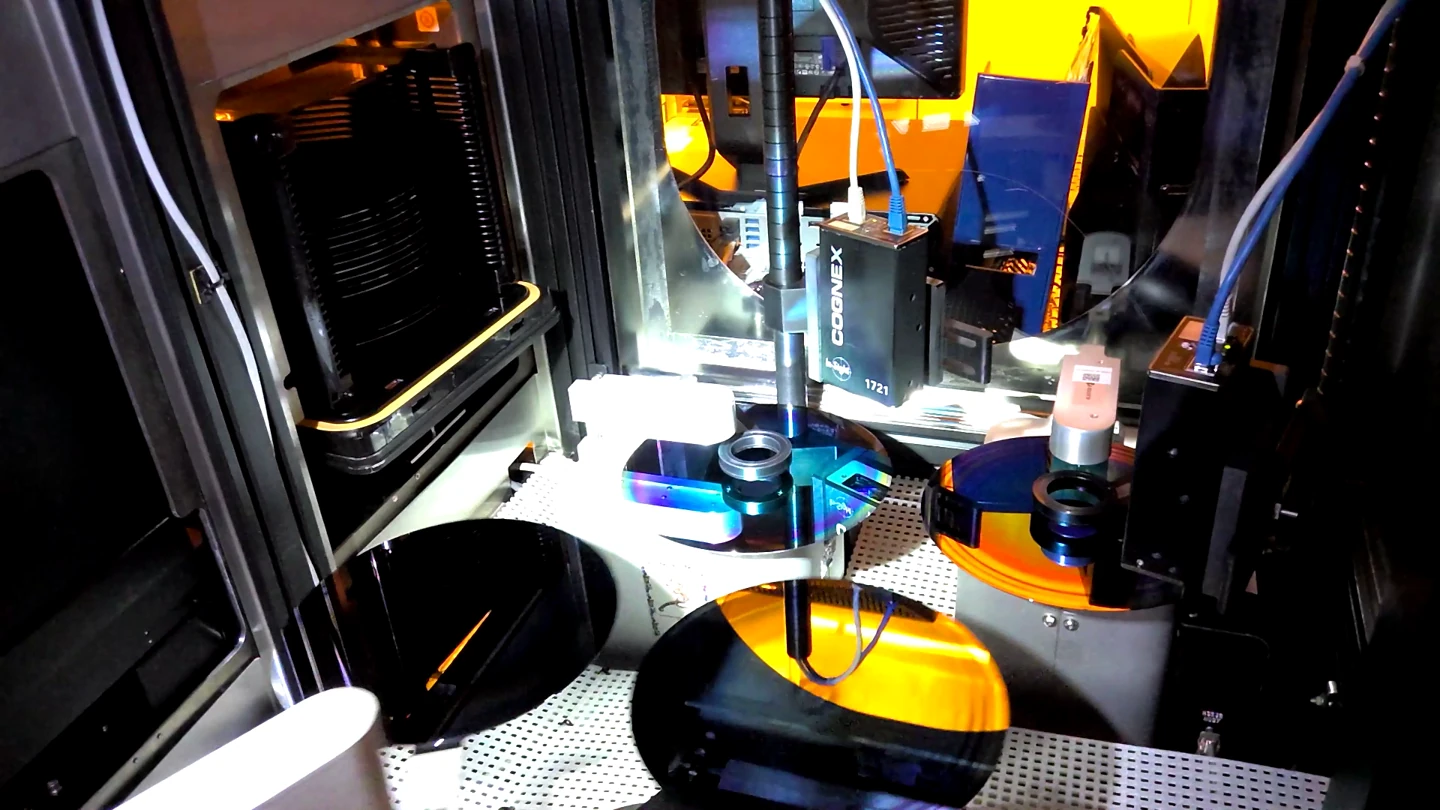
From Image to Decision
See the Detail. Understand the Defect.
Inspection images carry the evidence. ZeroDefects brings models together around the defects you need to recognize, then connects the results to your inspection workflow.
Sample inspection images · Defect definitions · Application requirements
Define the Outcome
Upload sample inspection data and explain what it represents. Describe the defect-classification outcome and how the results will be used.
Design the Ensemble
Builder Agents create the ensemble and set the contribution of its individual pipeline models around that objective.
Train, Validate and Test
Take the ensemble through the MLOps lifecycle before deployment. The project brings its data pipeline, model, repository and deployment together.
Connect the Application
Use APIs for inference and stored results, self-learning features, wafer-map updates and KLARF integration.
Illustrative workflow. Evaluation belongs to the specific inspection task, dataset and intended use.
AI Scalability / Builder Agents
New Inspection Goals. An Adapted Ensemble.
Moving from known-defect classification to unfamiliar-defect screening changes the evidence, model composition and weighting. Builder Agents customize that design; the adapted ensemble goes through its own training, validation and testing.
See How the Ensemble AdaptsYour Expertise. New Possibilities.