
Quality Inspection / Packaged Optical Components
See the Defects a Single View Misses.
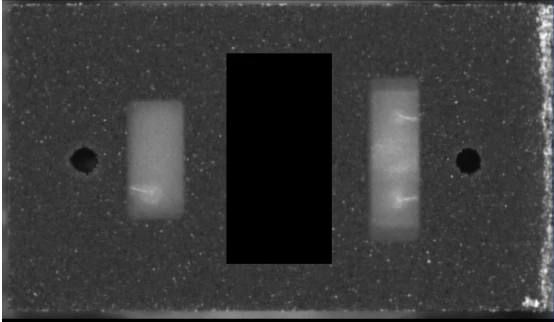
Inspect the top, bottom and sides of a component with models built around each view. Combine anomaly detection with defect recognition and dimensional criteria to reach a meaningful quality decision.
The Operating Sequence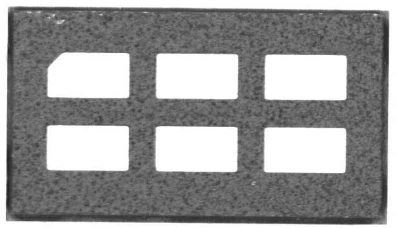
The Platforms behind the Work
The Same Part. Different Inspection Problems.
A lid chip, an aperture stain and a bonding void do not look alike. Their significance also depends on size, location and the surface being inspected.
The inspection pipeline aligns each view, isolates the regions that matter and combines complementary models. Unusual appearance starts the investigation; defect type and acceptance criteria determine the result.
The Operating Sequence
From Each View to a Quality Decision.
Model composition follows the inspection objective, including which differences matter and which should be ignored.
Align the View
Locate the component against its reference and define the inspection regions for the top, bottom or side view.
Find Unusual Appearance
Anomaly models identify visual differences that deserve attention, including conditions with limited labeled defect examples.
Identify and Evaluate the Defect
Use detection or segmentation where needed to distinguish cracks, chips, scratches, stains, lid offset or bonding defects. Evaluate size, position and morphology against the inspection criteria.
Review and Improve
Review defect evidence and false rejects with engineers. Feed corrected examples into the next training and evaluation cycle before deploying the updated model.
Make Acceptance Criteria Part of the Model.
An anomaly score alone is not a quality specification. Engineers define the defect criteria, review ambiguous labels and account for any excluded image regions when evaluating the inspection.
The Platforms behind the Work
ZeroDefects manages the inspection ensemble, training data, evaluation and deployment. Its application layer can retain inference results and connect them to the production workflow.
Bring the Expertise to the Next Task.
Builder Agents use sample images and the inspection goal to compose the ensemble and tune the individual model weights for a new component or view. Engineers train, validate and test the result against their defect and false-reject criteria.
Builder Agents provide the current platform capability for adapting models and workflows. Engineers evaluate each new task before deployment.
Your Expertise. New Possibilities.